Sunday, March 13. 2011
The late GB&W 2407 update Posted by James Kolanowski
in Atchison, Topeka & Santa Fe 841 at
23:12
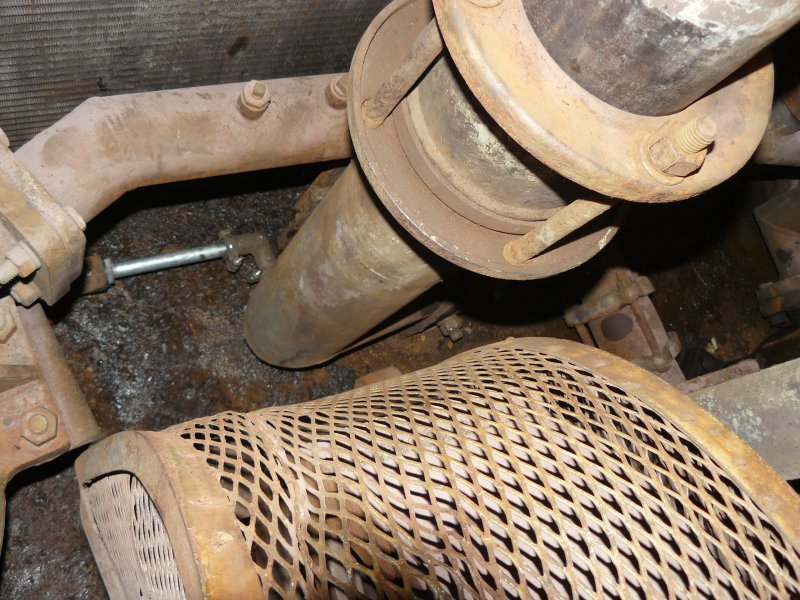
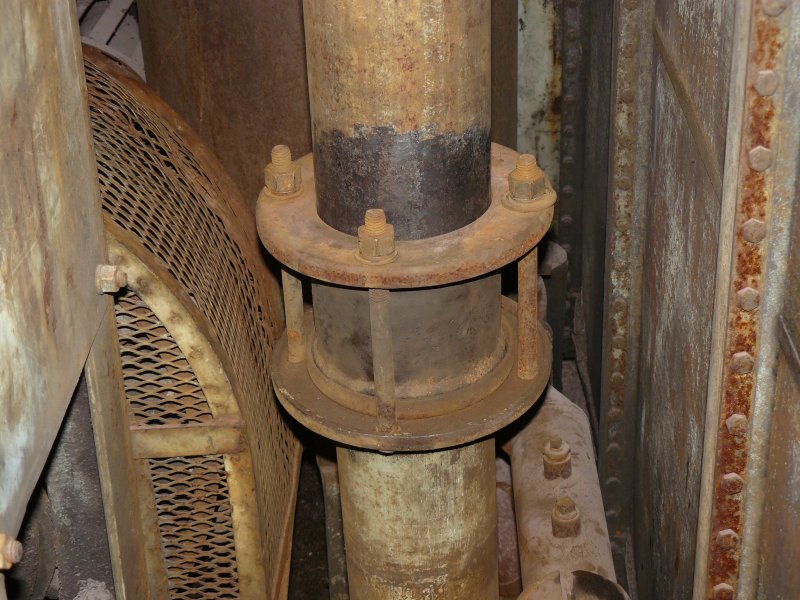
Comments (0) The late GB&W 2407 updateHere is a very late update on the progress on GB&W 2407 from February 12th, I had drafted it before I went on vacation for a couple of weeks and forgot to publish it. We had a pretty large group out Saturday afternoon, including Frank DeVries, Marcus Ruef, Warren Lloyd, Kyle Merkel, Kevin Hennessy, Greg Ceurvorst, Dave Fullarton, Jeron Glander, Jim West, Dan Currens, Rich Schauer, and myself. The main tasks were to get the rest of the water system tight. The previous weekend and during the week we had made a number of repairs, but did not have a chance to water it again. The electrical system, governor, and air compressor were also worked on. Dan Currens started by digging into the electrical system, verifying everything was connected and functioning properly in the cabinet, and with the governor and such. Kyle and Jim worked on refilling the governor and pump with oil. We will have to flush the system again at a later date. There was some minor raccoon damage, but the majority of the electrical system was in pretty good shape. Meanwhile Dave and Kevin were working on checking all the injection pumps, seeing which ones were free and which were sticking. They found a bunch that were very tight and began working on lubricating and freeing them up. Warren, Kyle and Rich joined in as well. Frank and Marcus made a gasket to replace the leaking one on a cover on the air compressor, and then changed the oil in the compressor. We started watering again to verify the latest repairs and was very surprised at how well it was holding water. We did mark a few more water elbows that we had not marked the last time, along with some additional pipe couplings. Frank noticed a crack on a low pressure cylinder liner that was leaking water. There were a number of other leaks in this area the last time, so we didn't notice it. We are looking into some ways to fix this without changing the liner as it looks like the only damage is this area on the outside of the water jacket. Greg joined Marcus and Frank, and they made some more gaskets to replace the leaking ones along with some hoses on a few of the water elbows on the engineers side after draining the water. They made enough for all the ones that were leaking on both sides. Warren replaced two of them on one side of the loco while Marcus and Frank replaced a few on the engineers side. While draining, we noticed that the compressor and water cooled intercooler on the compressor did not have a drain as the pipe that should have gone to the main drain valve was removed and plugged. This was done sometime when it was on the railroad, and is probably why there were water problems on the compressor. We'll have to thoroughly check out the intercooler as well. It was a very productive day and I'd like to thank everyone that helped out to move this project much further along. Be sure to visit the Photo Gallery of the current work going on. Also, donations to the RSD15 are still needed and appreciated. Wednesday, February 9. 2011GB&W 2407 updateTuesday nights work on the Green Bay and Western 2407 was to fix more leaks on some of the water pipes. Jeron Glander, Dave Fullarton, and myself arrived about 6:30pm and spent about four hours working on it. We started in the cramped quarters of the radiator room, using the porto-power to move one of the main water pipes around, bending a mounting bracket straight again and getting 3 main points of the pipe to line up properly. After a lot of adjusting, the sleeve fit perfectly. Then Jeron and Dave wire wheeled the surfaces of the pipe where the rubber gaskets of the coupling will seal and then reassembled the coupling and tightened up all the clamps. After that I removed a small 1/2 x 8 inch pipe that was cracked, removed the reducing bushing that had the broken portion of the pipe stuck in it, removed the broken portion and replaced with a new pipe. Naturally, it has to be in one of the worst spots to reach, between the oil cooler and main water pipe, blocked by the drive shaft and eddy current clutch and guards, but we were able to squeeze in there and get it done. Dave did some vacuuming of some debris on the floor before he and Jeron moved on to the engine to start taking off some water elbows between the head and block. There are a number of gaskets on the engine and air compressor that are dried and split and just need to be replaced. I have created a photo gallery of the mechanical work as it progresses. There are also a few photos of the cab and the fogged and bad windows that need to be replaced. These will all have to be replaced with FRA glazing, donations to the RSD15 would be greatly appreciated and will assist in the costs of the restoration. Monday, January 31. 2011
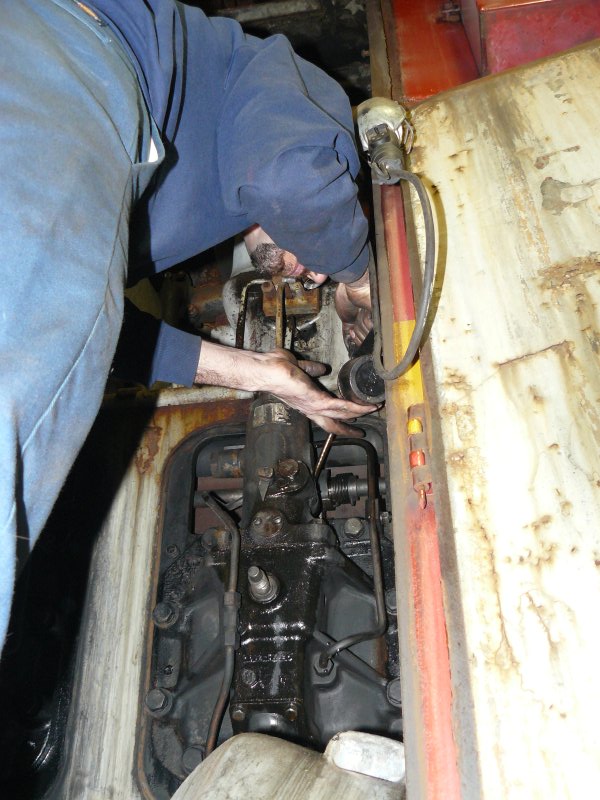
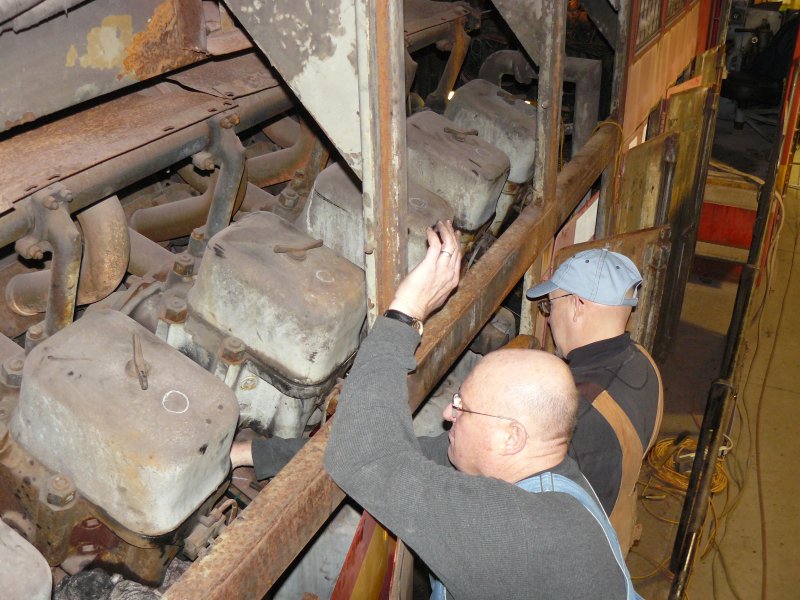
Green Bay & Western 2407 progress Posted by James Kolanowski
in Atchison, Topeka & Santa Fe 841 at
03:59
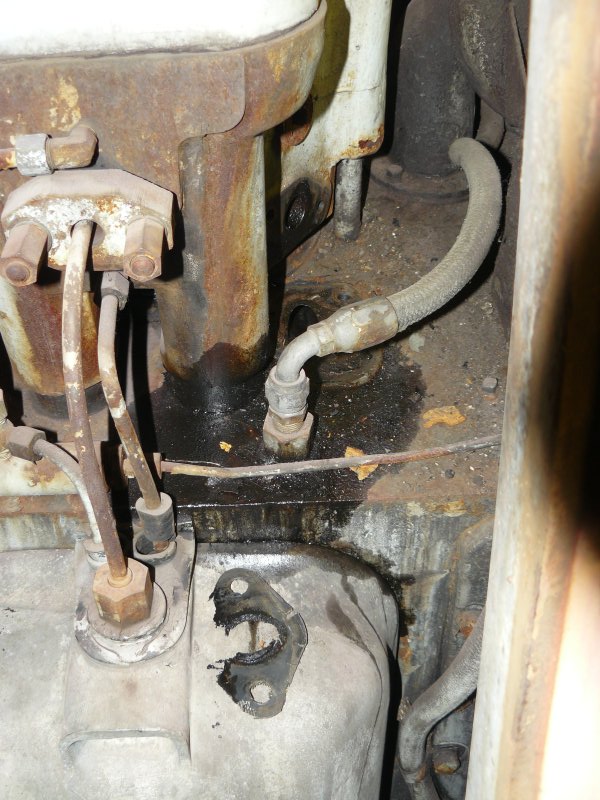
Comments (11) Green Bay & Western 2407 progressOriginally Atchison, Topeka & Santa Fe 841, this Alco RSD-15 was moved into the diesel shop early last year for some mechanical work. Progress over the summer was very slow due to many other ongoing projects and was mainly limited to cleanup of the cab, nose, and engine room. More recently, however, we have made a lot of progress. First, a little bit of history: Several years ago, the years start to run together so I'm guessing in 2000, we attempted to turn over the 16 cylinder engine for the first time at IRM and found that it was seized. We had no idea how good or bad it was, we knew that barring, nor trying to turn it over with its own starters would not work, it was certainly solid state. The stack was uncovered when we inspected and picked the unit back in 1995 in Green Bay, but all of the units there did not have covers, just a bit of tape and wire where the plastic covers used to be before the sun's UV had gotten to them. We figured it was a few years of rainwater and snow getting into the stack and going through the turbo into the engine. A few years later from first trying to turn it, we had started to poor some Kroil (the oil that creeps) into all of the cylinders by taking the relief plugs out and at first using a finger pump oil can, and later using a pressurized garden sprayer. This was done by the gallons a couple times a year over the span of a few years. Moving on to the most recent work... On Tuesday night, Jeron G, Colton V, and myself finished a little more cleanup around the engine to prevent dirt, racoon crap, and paint chips from getting into the engine when we had covers open. Over the past couple of weeks, or maybe its been months...the time does start to run together...we've been talking about how to go about freeing up the engine and many different ways to do it. What we ended up with on Thursday and Friday nights was Charlie S and I making some adapters so that we could take a quick connect air fitting to a 1/2" pipe and kinda force it to thread into the plugs of the relief holes in the heads. We went through each cylinder and checked the position of the rods to pick a few cylinders that would give the most leverage on the crankshaft by pumping compressed air into the cylinders using the pistons to turn the crankshaft. We noted which ones would give us the correct rotation by air pressure and by leverage with a jack or porto-power in its given position. By Friday night, we had emptied 8 cans of PB spray into the 16 cylinders and had all the adapters in place, hoses all setup and tested. On a few cylinders we had to pull the rocker arms to close the valves. We called it a night at about 4am. Saturday afternoon Charlie started to take off the air intake box from the front of the turbo. There isn't much room in this area of the loco, air, oil and water pipes are everywhere, and this box is what connects the intake filters to the turbo, and the intake filters have their own mount which is all blocked by other stuff, not an easy task. We figured the turbo was probably stuck too, and that was the easiest way to get to it. Meanwhile I started to get some 12 ton bottle jacks ready, we charged up the 4 cylinders we picked from the night before with air. After some playing around I found best way to wedge the bottle jacks was between the edge of the crankcase inspection holes against the 3/4" steel, and the bottom center of the rod bearing cap. A little bit of pumping on the jack, just to the point of almost needing two hands on the handle, there was a slight woosh of air and the jack crashed down on the screen in the crankcase. It actually moved, just a few degrees, but it actually moved. The next two hours was spent doing the same thing, moving a couple bottle jacks between a few holes since you could only turn it about 20-25 degrees per hole given the reach of the jack. We removed air from the cylinders as they got to the point where it would work against us. When we made it about 230 degrees around, we put air back on two cylinders, it took a couple pumps with the jack before the air pushed it around on it own nearly 100 degrees to almost BDC on those pistons. A few others had arrived by this time including Warren L, Eric Z, Jim W, and Colton V. They dragged over the long heavy jumper cables and hooked them up between the 33C on the next track and the 2407. We turned the proper switches on, hit the start button, and watched the start contactors arc and bounce. The next step was to clean up the tips, on the second try, we hit the start button, and watched the lights go dim on the 33. The batteries weren't there enough anymore to get that big Alco engine to turn. After pondering what other options we had being all the way deep into the shop, not near any other locos with batteries, we checked the voltage on the big welder next to us and decided that may do the trick. The guys dragged over the other set of jumper cables and we wired that up along with the batteries in the 33C. The third try, we hit the start button, and heard the tone of the welder change, and that was about it. We only had the welder set at about 200 amps, so we turned it up to about 375 and gave it another try. We hit the start button, and the 16 cylinder engine started to turn slowly, picking up a little momentum after the first couple turns. After begin seized for more than 15 years, the Alligator was actually cranking itself over. After that happiness and excitement, we turned our attention to a couple of stuck valves, freed those up, and then to the stuck turbo. Eric and Charlie dove into that, getting access to both ends and getting rust and debris cleaned out and then getting some penetrating oil between the blades and housing. We called it a night before 10:00pm for once to get dinner and a good night sleep for a good start time the next morning. The goal for Sunday was to get the turbo freed and get the cooling system put back together and get it watered. There were a few large couplings that had been disconnected in the GB&W days. Roger B, Scott N, Pete P, and Warren L started working on those while Eric Z started digging into the turbo. Kyle M and myself cleaned all the screens in the oil pan and put the plugs back in the heads. Jeron G joined us right after lunch. Jim W set us up with the water hoses and we started filling with water. Overall it went pretty well, however, there were a few leaks that have to be dealt with, one coupling that goes into the oil cooler will need to be cleaned and reseated, a pipe on the air compressor was leaking where it slipped out of the compression fitting, several seals on the compressor, engine heads, and water manifold over the engine will need work. They are old and dry and just need to be replaced, and will be dealt with over the coming weeks. The turbo on the other hand is fighting us every step of the way. The exhaust inlet end was reassembled and left with penetrating oil to soak in between the blades and body, we'll come back to that another day. The progress that was made by everyone this weekend was great, far beyond where I thought we would be by the end of the weekend, I can't thank you all enough for the effort that you all put in. Several huge steps were completed with getting the engine to turn and having it hold water. It is very possible that the 2407 may be part of the operating fleet by the end of the year, perhaps sooner depending on what it takes to resolve the turbo issue. We also need to thoroughly inspect the remainder of the electrical system, replace all the cab glass, as well as complete some other items, donations would certainly be welcomed to assist in the costs of these items.
|
Blog AdministrationCategory TreeCalendar
QuicksearchArchivesSyndicate This Blog |
||||||||||||||||||||||||||||||||||||||||||||||||||||||||
Powered by s9y.
Comments
Wed, 04-01-2026 09:01
Good job on the barn 15
Wed, 03-25-2026 18:21
Exciting to see a new barn going up! What's next, after the RAIL project is complete?
Mon, 09-08-2025 08:22
Good job on the Burlington Nortern 9976. OK.
Tue, 08-12-2025 12:56
No new news that I have heard of thus far.
Tue, 08-12-2025 12:53
I'll also be doing another update on it soon. Keep en eye out for that.
Tue, 08-12-2025 12:47
A little work was done to it for Diesel Days this year. You'll see photos floating around for the temporary short term job that was done to make it [...]
Wed, 08-06-2025 13:01
Is steam car CN 15444 going to be coming to museum several times it was to be moved to muesum
Sat, 07-19-2025 18:56
Yeah, sadly it's still there as of 7/19/2025
Thu, 06-12-2025 19:14
Its been 14 years guys, where is the unit? Like really? Did you guys misplace it? Or are repairs taking that long? At this point be might we will have [...]
Wed, 04-09-2025 17:40
Jamie Thanks for the update. She's gonna shine like every thing else you guys do! Smeds
Thu, 03-06-2025 16:28
Yes, there is a wye. Those two have been MU'ed on diesel days a year or two ago.
Wed, 03-05-2025 14:04
7009 number boards look good. Is there a way to turn a locomotive around at IRM? In case you ever had a mind to connect 7009 and 6847?